In recent years, AI-based image processing has evolved rapidly, introducing tools capable of generating highly realistic visual edits. One of the most discussed concepts in this space is DeepNude photo processing, which is often associated with advanced neural networks that can modify or reconstruct human images in highly detailed ways. However, this technology also raises important questions about ethics, consent, and responsible use.
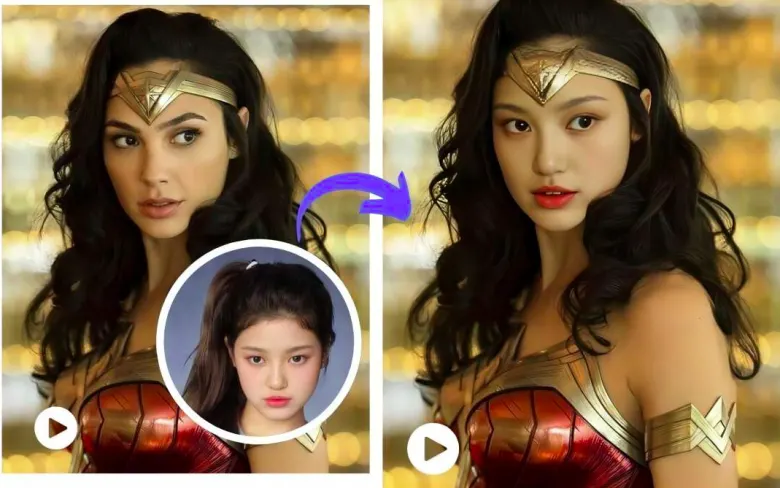
At its core, DeepNude-style processing is powered by machine learning models that analyze body structure, lighting, and texture patterns to generate realistic image transformations. These systems are often grouped under broader categories of DeepFake AI, which refers to artificial intelligence techniques used to alter or synthesize visual and audio content.
What is DeepNude AI Photo Processing?
DeepNude AI photo processing refers to the use of AI algorithms that attempt to transform clothed images into simulated nude representations. While the technology behind it is based on legitimate computer vision research, its application is highly controversial.
The process typically involves:
- Neural network training on large datasets of human body shapes
- Pattern recognition for clothing removal simulation
- Reconstruction of anatomical features using predictive modeling
It is important to understand that results are not real photographs but AI-generated approximations.
How Does DeepFake AI Power These Transformations?
The foundation of this technology is DeepFake AI, which uses deep learning models such as generative adversarial networks (GANs). These networks work by having two systems:
- One generates the image
- The other evaluates its realism
Over time, the system improves until the generated output becomes highly realistic.
But here’s a key question:
Is this technology always accurate?
No. AI-generated images often contain errors in proportions, lighting consistency, or fine details. While they may look convincing at first glance, they are still artificial interpretations, not real captures.
Why Is This Technology Controversial?
The main concern surrounding DeepNude-style AI tools is ethical misuse. Without proper consent, generating or sharing altered images of individuals can lead to privacy violations and reputational harm.
This raises another important question:
Should AI be allowed to create such images freely?
Most experts argue that strict boundaries are necessary. Responsible AI development focuses on:
- Consent-based usage
- Educational or artistic applications
- Strict content moderation systems
Platforms like the one associated with DeepFake AI research emphasize safer applications of image synthesis, such as entertainment, fashion design, and digital art creation rather than personal manipulation.
Where Is This Technology Used Responsibly?
When used ethically, AI image processing has legitimate applications, including:
- Virtual fashion modeling
- Medical imaging research
- Film and entertainment visual effects
- Digital art creation
These uses demonstrate that the underlying technology is not inherently harmful—it depends on how it is applied.
Final Thoughts
DeepNude photo processing highlights both the power and risks of modern AI systems. While DeepFake AI technologies can create incredibly realistic visual transformations, they must be handled with responsibility and ethical awareness.
The future of AI image editing will likely focus more on transparency, consent, and creative innovation rather than unrestricted manipulation. As the technology continues to evolve, the key challenge will remain balancing innovation with respect for privacy and human dignity. AI Face Swap Studio: Trusted Deep Fake AI for Hyper-Realistic Adult Photo Swaps.
#AIGenerated #DeepfakeAI