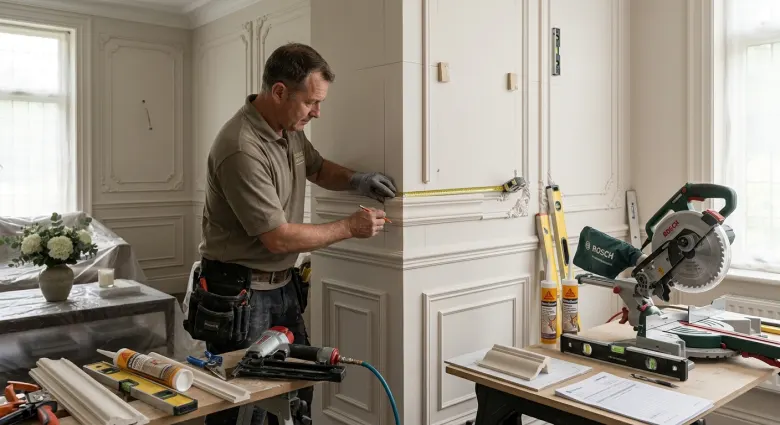
Decorative wall layouts can transform an ordinary room into a stylish, welcoming space. With the right arrangement of shapes, lines, and finishes, walls become an important part of the overall interior design rather than simply a background. Careful planning helps create a balanced appearance that complements furniture, lighting, and architectural features. Whether you prefer a classic interior or a modern aesthetic, polyurethane moldings offer a versatile way to introduce structure, elegance, and visual interest to your walls.
Start with the Room's Proportions
Before choosing molding profiles, consider the dimensions of the room. Wall height, width, window placement, and ceiling details all influence the final design. Large rooms can accommodate wider moldings and more elaborate panel arrangements, while smaller spaces often benefit from simple, narrow profiles.
Measure each wall carefully and mark the locations of doors, windows, electrical outlets, and permanent fixtures. These measurements help you determine where decorative panels can fit naturally. Avoid creating shapes that appear crowded or leave awkward, narrow gaps near corners and openings.
Choose a Suitable Molding Style
Molding profiles come in different widths, shapes, and decorative styles. Selecting the right profile is essential for maintaining a consistent interior appearance. Traditional rooms may benefit from curved details and ornamental designs, while contemporary spaces often look better with clean lines and understated profiles.
Consider the existing features of your home before making a decision. Crown molding, baseboards, door casings, and window trim should work together rather than compete for attention. Matching similar profile shapes or maintaining consistent proportions can help the entire room feel coordinated.
Create a Balanced Wall Layout
A well-planned wall layout depends on symmetry, spacing, and proportion. Rectangular frames are a popular option because they create an organized appearance without requiring complicated construction. You can arrange a single large frame on a narrow wall or several evenly spaced panels across a wider surface.
For a traditional design, consider placing larger panels in the center and smaller panels near the edges. For a modern interior, equal-sized rectangular frames can create a clean, repetitive pattern. Always leave enough space between panels and around the wall's perimeter to prevent the arrangement from feeling cramped.
It is helpful to sketch the layout on paper before installation. You can also mark the proposed frame positions directly on the wall using a pencil and measuring tape. This simple step makes it easier to identify uneven spacing and adjust the proportions before cutting any materials.
Consider Color and Finish
Color plays an important role in how decorative moldings appear. Painting the molding the same color as the wall creates a subtle, sophisticated effect that emphasizes shadows and texture. Using contrasting colors makes the decorative framework more noticeable and can introduce a stronger architectural character.
White molding against a neutral wall is a timeless choice, while darker profiles can create dramatic definition in selected interiors. Soft beige, warm gray, and muted green are also useful options for coordinated room designs.
For a cohesive result, consider how the wall color relates to flooring, curtains, furniture, and other decorative elements. The goal is to make the molding feel like an intentional part of the room.
Plan for Practical Installation
Accurate installation begins with precise measurements and suitable preparation. Ensure that the wall surface is clean, dry, and ready for adhesive or other recommended fixing methods. Use a level to keep horizontal and vertical lines straight, and measure corner joints carefully before cutting the profiles.
Polyurethane molding is valued for its relatively lightweight construction and versatility in decorative applications. However, the correct adhesive, cutting method, and finishing products depend on the specific product and the manufacturer's instructions. Test your layout and check every joint before applying the final paint.
Frequently Asked Questions
How many decorative panels should a wall have?
The ideal number depends on wall dimensions and the desired style. A narrow wall may need only one or two frames, while a wider wall can accommodate several evenly spaced sections.
Should molding match the wall color?
Matching colors create a subtle, unified appearance, while contrasting shades highlight the panel design. Both approaches work well when they complement the room's overall palette.
Conclusion
Planning decorative wall layouts requires attention to measurements, molding styles, spacing, and color coordination. By considering these details before installation, you can create attractive wall designs that enhance the character of your home. With thoughtful planning and suitable molding profiles, even a simple room can gain depth, elegance, and a polished architectural finish. Choosing Molding Width and Profile for Different Room Styles.
#NeoclassicalInterior #ArchitecturalMolding #StavrosDecor