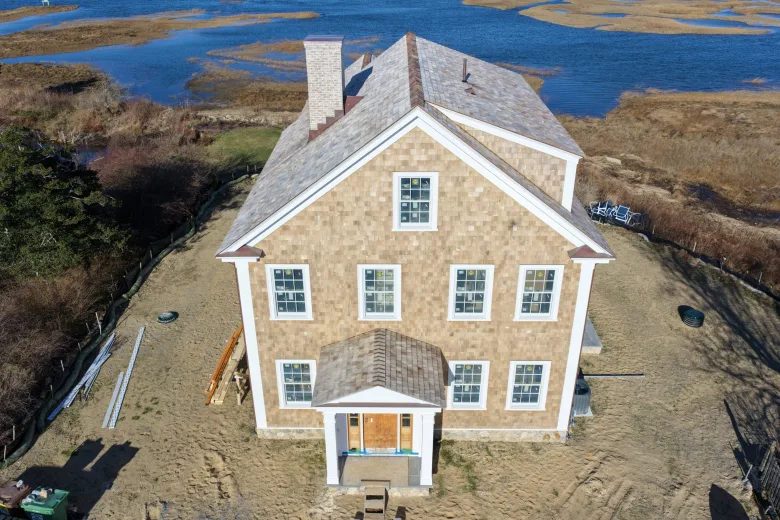
Coastal homes offer incredible views and a unique lifestyle, but living near the ocean also brings challenges that affect exterior materials. Constant exposure to salt air, moisture, strong winds, and changing weather conditions can quickly impact a home’s siding if the right approach is not taken. Choosing an experienced contractor who understands coastal conditions is essential for protecting your investment and maintaining the beauty of your property.
A reliable contractor focuses on the small siding details that make a major difference over time. From selecting durable materials to ensuring proper installation techniques, every step matters when a home faces the demands of sea air. Coastal siding needs more than a simple appearance upgrade; it requires thoughtful planning, quality craftsmanship, and attention to areas where moisture and corrosion can become problems.
Why does sea air affect siding so much? Salt particles carried through the air can settle on exterior surfaces and contribute to wear, especially when combined with humidity and rain. Over time, poorly installed or unsuitable siding may experience fading, damage, or reduced performance. This is why homeowners near the coast benefit from siding solutions designed specifically for challenging environments.
The right siding choice begins with understanding the local climate. Materials must be selected based on their ability to handle moisture, temperature changes, and exposure to salty conditions. High-quality siding options can provide long-lasting protection while also improving energy efficiency and curb appeal. However, even the best materials will not perform properly without careful installation.
Proper installation involves more than attaching siding panels to a wall. Experienced professionals pay close attention to ventilation, sealing, flashing, and drainage systems. These details help prevent water intrusion and allow the exterior to handle coastal weather more effectively. Small mistakes during installation can create hidden issues that may become expensive repairs later.
Another important factor in coastal siding projects is maintenance planning. While durable siding reduces upkeep, regular inspections help identify early signs of wear. Checking for loose sections, damaged areas, or changes around seams and edges can help homeowners address concerns before they grow. A well-maintained exterior continues to protect the structure and preserve its appearance.
Homeowners often ask, “Can siding really make a difference in a coastal environment?” The answer is yes. Siding acts as one of the first protective layers between a home and outside elements. When the material and installation methods are suited for the environment, siding can help defend against moisture, wind, and salt exposure while giving the home a refreshed look.
Attention to detail also extends to design choices. Coastal properties often have architectural styles that benefit from carefully selected colors, textures, and finishes. Modern siding options allow homeowners to achieve the look they want without sacrificing durability. A professional approach balances appearance with performance, creating an exterior that is both attractive and practical.
A strong coastal siding project is built around experience, preparation, and quality workmanship. Professionals who understand sea air conditions know that every joint, corner, and connection matters. Their goal is to create an exterior that continues to perform through years of changing coastal weather.
Investing in well-planned siding improvements can help protect a home’s structure, reduce future maintenance concerns, and enhance overall value. For properties near the ocean, siding is not just an exterior feature—it is an important layer of defense. With the right expertise and attention to detail, homeowners can enjoy the benefits of coastal living while keeping their homes strong and beautiful. Trusted Siding Installation Backed by 10+ Years of Experience.
#CapeCodSiding #CapeCodContractor #RoofingCompany